
Why Your Family Group Chat Is Either Helping or Hurting
young adult residential treatment Maine • Written by: Cornerstones of Maine
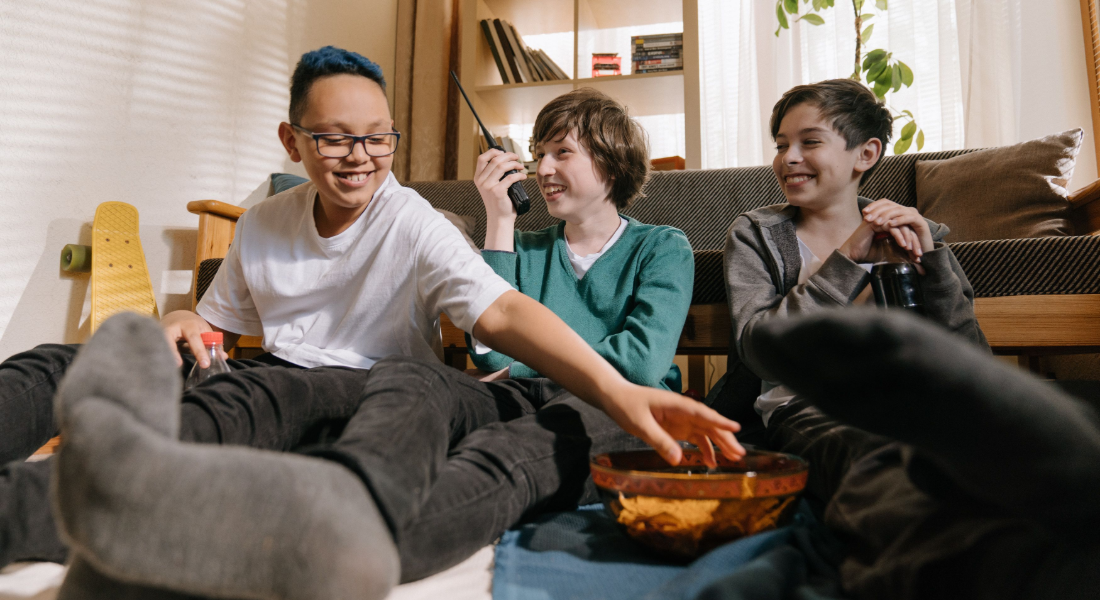
Every family group chat has a name that somebody thought was cute at some point. "The Fam Bam." A string of hearts. "Johnson Family Forever" with no punctuation. The name doesn't matter. What matters is the temperature inside it, which you can read in about four seconds if you know what you're looking for.
Some group chats are just noise. Someone's dog did something. A meme that's three months old. A photo of a meal. The emotional content of these chats is approximately zero, and that's fine. That's the point. They exist entirely to stay connected.
Then there's the other kind. The "just checking in :)" that arrives at 8am and again at noon and again after dinner. The message sent to the whole group about something one person did. The "we're all worried about you" where the "we're all" is doing a lot of work. The read receipt at 11:47pm.
You know which one your family has.
The Temperature Inside the Chat
There's a concept in psychiatric research called Expressed Emotion that's been studied since the 1950s. The short version is that researchers figured out they could measure the emotional climate inside a family, specifically the frequency of criticism, the presence of hostility, and what gets called emotional overinvolvement, which is overprotection and self-sacrifice, and that this measurement predicted psychiatric relapse better than a lot of clinical variables.
A meta-analysis looked at this specifically as it passes between generations, finding that High Expressed Emotion in a family environment is a consistent and measurable risk factor for the worsening course of mental illness in young adults. A separate meta-analysis found that young adults living inside high Expressed Emotion households relapsed at significantly higher rates than those who didn't, and this held across depression and other diagnoses.
The part that surprises people is the overinvolvement piece. Criticism and hostility, those make sense as problems. But overinvolvement, meaning too much worry expressed too loudly, carries nearly the same clinical risk. The love is real. The effect is measurable anyway.
There Is a Name for This
What's new about the group chat is that it makes all of this visible in a way it wasn't before. Whatever a family was communicating twenty years ago happened and then disappeared. The look at the dinner table. The question asked for the fourth time. The silence that said something. None of it was archived.
The group chat archives everything. The young person lying in their room at midnight reads every message through whatever filter their current state of mind provides, and that filter is not neutral, and the messages are not disappearing.
A systematic review examining parent-child communication quality and mental health found consistent evidence across studies that communication characterized by openness and low conflict predicted better mental health outcomes in young adults, and that this relationship ran in both directions. The chat is doing something every time it lights up. The question is what.
What Gets Archived Now That Didn't Before
Nobody builds a high Expressed Emotion family on purpose. The group chats that function like pressure chambers are built from years of watching someone you love not be okay, trying everything, watching none of it work, and having no place to put the fear except into the nearest available channel. The three check-ins a day aren't controlling. They're terrified.
This is exactly why Cornerstones of Maine treats the family as part of the clinical picture from the first week of residential treatment. Family sessions run throughout the program. The clinical team works with parents on communication patterns and relational dynamics because what the young adult walks back into at discharge shapes what happens after discharge, and that is not a small thing.
For parents who need somewhere to put the worry other than the group chat, Cornerstones provides complimentary membership to Other Parents Like Me. It's a peer support network built specifically for this. It's worth using.
Nobody Did This on Purpose
The group chat isn't the problem. It's just where the problem lives right now. And there are things that can be done about it, if anyone is willing to look at it honestly.
Reach out to Cornerstones team today for more information.
Frequently Asked Questions
What is Expressed Emotion in family mental health?
A clinically measured construct describing the emotional climate a family creates around a member who is struggling. It consists of criticism, hostility, and emotional overinvolvement. High Expressed Emotion environments are consistently associated with higher psychiatric relapse rates across multiple diagnoses.
Can how my family communicates affect my young adult's treatment?
Research is consistent that communication quality in the family environment predicts treatment outcomes independently of diagnosis or symptom severity. It runs in both directions: the relationship affects mental health, and mental health affects the relationship.
How does Cornerstones work with families during residential treatment?
Family sessions are a clinical priority throughout the program. The team works directly with families on communication dynamics and relational patterns because the environment a young adult returns to after discharge materially affects long-term outcomes.
What support is available for parents during treatment?
Cornerstones provides complimentary membership to Other Parents Like Me, a peer support network with daily virtual groups, expert presentations, and a community of parents navigating the same thing.